
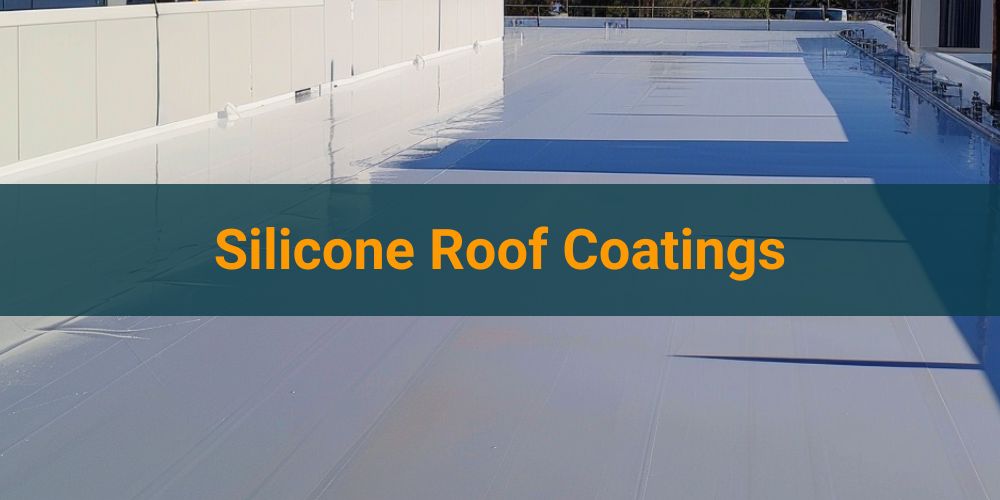
Commercial Roofing Rancho Cucamonga provides silicone roof coating services across Rancho Cucamonga, California, for flat and low-slope commercial roofing systems that require waterproofing restoration, UV resistance, ponding-water tolerance, and service-life extension. Silicone roof coatings are a specific commercial roof coating pathway used where the existing roof remains structurally viable but is affected by surface ageing, minor waterproofing decline, drainage sensitivity, ponding exposure, or UV-driven degradation that can be addressed without full roof replacement. Silicone roof coatings are fluid-applied coating systems designed to create a seamless waterproofing layer over a prepared commercial roof surface. They are especially relevant where water exposure, roof surface weathering, and UV degradation are major performance concerns. Silicone coatings are not general paint, temporary patching materials, or substitutes for replacement on failed roofing systems. Commercial Roofing Rancho Cucamonga applies silicone coatings only where the substrate remains stable, moisture is controlled, active defects can be repaired before coating, and the roof can support long-term coating adhesion. In Rancho Cucamonga, silicone roof coating suitability is influenced by high UV exposure, elevated roof surface temperatures, airborne dust accumulation, daily thermal expansion and contraction, low-slope drainage sensitivity, and ageing commercial roof assemblies. These conditions can accelerate membrane wear, seam stress, coating breakdown, surface brittleness, and water-retention damage. Silicone roof coatings are used to restore waterproofing performance, protect against UV exposure, tolerate appropriate ponding conditions, and extend service life where the existing roof remains dry, stable, repairable, and coating-suitable. Commercial Roofing Rancho Cucamonga evaluates silicone roof coating suitability by assessing substrate condition, moisture presence, seam integrity, drainage behaviour, ponding exposure, surface cleanliness, coating compatibility, prior repair history, and remaining service life. This ensures silicone coatings are used where waterproofing restoration and ponding tolerance can improve roof performance, while repair, elastomeric coating, reflective coating, broader coating restoration, partial replacement, or full commercial roof replacement is recommended where the roof has moved beyond silicone coating viability.
Silicone roof coatings in Rancho Cucamonga are appropriate where a viable commercial roof requires waterproofing renewal, UV protection, and improved resistance to water exposure.
- Low-slope roof areas with ponding sensitivity → shallow roof pitch, drainage restriction, low points, or water-retaining areas expose the roof surface to standing water → silicone coating provides a waterproofing layer suited to appropriate ponding exposure where the substrate remains viable → water-related surface breakdown is reduced → roof service life is extended without full replacement where conditions allow.
- UV-driven surface ageing → Rancho Cucamonga solar exposure weakens membranes, coatings, and exposed roof surfaces over time → silicone coating creates a UV-resistant protective layer across prepared roof areas → ongoing weathering is slowed → replacement can be deferred where the roof remains stable and coating-suitable.
- Minor waterproofing decline on a viable roof → surface wear, small defects, seam stress, or early coating failure reduces roof protection without full assembly failure → defects are repaired and the silicone coating is applied over the prepared surface → waterproofing continuity is renewed → water-entry risk is reduced where moisture has not spread beneath the roof.
- Drainage-sensitive commercial roof assemblies → dust accumulation, blocked outlets, scuppers, gutters, or low points increase water-retention stress → drainage conditions are reviewed before silicone coating is specified → the coating system is matched to the roof’s water exposure profile → coating failure from unresolved drainage problems is avoided.
- Ageing but structurally viable commercial roof surfaces → the existing roof shows weathering, reduced surface protection, or declining waterproofing performance but remains dry, stable, and suitable for adhesion → silicone coating can restore protection without full tear-off where appropriate → disruption and replacement cost are reduced → the existing roof assembly remains in service longer.
Commercial Roofing Rancho Cucamonga applies silicone roof coatings as controlled waterproofing restoration systems, not as cosmetic surface coverings. By confirming roof dryness, substrate stability, defect repair requirements, drainage behaviour, ponding exposure, coating compatibility, and remaining service life before application, the silicone coating system can support long-term protection under Rancho Cucamonga’s UV, heat, dust, and low-slope drainage conditions.
When Is a Silicone Roof Coating the Right Solution in Rancho Cucamonga?
A silicone roof coating is the right solution in Rancho Cucamonga when a flat or low-slope commercial roof remains structurally viable but needs waterproofing renewal, UV protection, ponding-water tolerance, and extended service life without full roof replacement. Silicone coatings are selected where the existing roof can support coating adhesion, moisture is controlled, active defects can be repaired before application, and the main performance requirement is restoring waterproofing across a roof surface exposed to heat, sunlight, and drainage stress. Commercial Roofing Rancho Cucamonga evaluates silicone coating suitability by confirming whether the roof is dry enough, stable enough, clean enough, and restorable enough to support a fluid-applied waterproofing system. In Rancho Cucamonga, high UV exposure, elevated roof surface temperatures, airborne dust accumulation, daily thermal expansion and contraction, and low-slope drainage sensitivity can accelerate membrane ageing, seam stress, coating breakdown, and water-retention damage. Silicone coatings are appropriate when those conditions remain within a coating-restorable range.
Silicone roof coatings are appropriate under the following roof conditions:
- Low-slope areas are exposed to ponding or standing water → shallow roof pitch, low points, restricted drainage, or water-retaining areas expose the roof surface to repeated moisture loading → silicone coating provides a waterproofing layer suited to appropriate ponding exposure where the roof remains viable → water-related surface breakdown is reduced → service life is extended without unnecessary replacement.
- The roof needs waterproofing renewal without full replacement → surface wear, minor defects, seam stress, or early coating failure has reduced roof protection but the wider assembly remains dry, stable, and structurally sound → defects can be repaired before coating → silicone coating restores continuous waterproofing protection → water-entry risk is reduced where moisture has not spread beneath the roof.
- UV exposure has weakened the roof surface but not the assembly → Rancho Cucamonga solar exposure has caused weathering, coating wear, surface ageing, or protective-layer decline → the roof still has stable underlying layers and controlled moisture conditions → silicone coating creates a UV-resistant protective surface → ongoing weathering is slowed and replacement can be deferred.
- Drainage sensitivity is present but deeper deterioration has not developed → dust accumulation, blocked outlets, minor ponding, or slow water movement is placing stress on the roof surface → drainage conditions can be reviewed and corrected where required before coating → silicone coating is matched to the roof’s water exposure profile → coating failure from unresolved drainage stress is reduced.
- The roof is ageing but still coating-suitable → the roof shows general weathering, reduced surface protection, or early waterproofing decline but remains attached, dry, stable, and compatible with coating adhesion → silicone coating can renew surface protection without full tear-off → disruption and replacement cost are reduced → the existing roof assembly remains in service longer.
Silicone roof coatings are not appropriate under the following roof conditions:
- Moisture has spread beneath the roof surface → water has migrated into insulation, cover boards, substrate layers, or concealed roof areas → coating would trap moisture inside the assembly → blistering, adhesion loss, concealed deterioration, and recurring leaks would continue beneath the coating → repair, partial replacement, or full replacement must be evaluated before coating.
- The substrate is unstable or deteriorated → soft areas, loose attachment, deteriorated layers, weak decking, or unstable prior roof materials prevent reliable coating performance → silicone coating cannot create stability where the base roof is failing → peeling, cracking, delamination, or premature coating failure may occur → substrate correction or roof replacement is required.
- Active leaks or open defects remain unresolved → open seams, failed flashings, damaged penetrations, cracked details, or roof-edge defects are present before coating → silicone coating would be forced to cover defects that require repair first → water entry may continue beneath or through the coating → defect repair or broader restoration must be completed before silicone coating is considered.
- Drainage failure has caused deeper roof damage → blocked drains, low points, dust-restricted flow paths, or ponding water have caused saturation, soft substrate, coating failure, or repeated water-driven deterioration → silicone coating cannot correct the underlying damage by itself → water stress continues beneath the coated surface → drainage correction, deeper repair, partial replacement, or full replacement may be required.
- The roof has reached end-of-life condition → repeated leaks, widespread deterioration, severe brittleness, unstable substrate, multi-zone moisture, failed prior coatings, or structural deterioration show that the roof can no longer perform reliably → silicone coating would delay necessary renewal rather than restore performance → full commercial roof replacement becomes the correct long-term solution.
Commercial Roofing Rancho Cucamonga recommends silicone roof coatings only where waterproofing restoration, UV protection, and water-exposure tolerance can genuinely improve roof performance. By separating coating-suitable roofs from saturated, unstable, actively leaking, or end-of-life assemblies, Commercial Roofing Rancho Cucamonga ensures silicone coatings are used as a durable restoration strategy rather than a temporary surface cover over unresolved roof failure.
Need help with an upcoming commercial roofing project?
What Prevents Silicone Roof Coatings From Performing Correctly in Rancho Cucamonga?
Silicone roof coatings fail to perform correctly when the roof surface cannot support adhesion, moisture is trapped beneath the coating, active defects remain unresolved, or drainage damage has moved beyond the roof’s coating-restorable condition. Silicone coatings are designed to restore waterproofing protection, resist UV exposure, and tolerate appropriate water exposure on viable commercial roofs. They cannot correct concealed saturation, unstable substrate conditions, open leak paths, severe membrane failure, or end-of-life roof deterioration. In Rancho Cucamonga, silicone coating performance is affected by high UV exposure, elevated roof surface temperatures, airborne dust accumulation, low-slope drainage sensitivity, and daily thermal expansion and contraction. A silicone coating must bond to a clean, dry, stable, compatible, and properly prepared roof surface. If the roof is contaminated, saturated, unstable, actively leaking, poorly drained, or too deteriorated to support coating restoration, the coating may blister, peel, split, lose adhesion, or fail prematurely.
The main conditions that prevent silicone roof coatings from performing correctly include:
- Trapped moisture beneath the roof surface → water remains inside insulation, cover boards, substrate layers, seams, or previous repair areas before coating application → silicone coating seals over active moisture instead of restoring a dry roof assembly → vapor pressure, blistering, adhesion loss, concealed deterioration, and recurring leaks develop beneath the coating → moisture removal, localised repair, partial replacement, or full replacement must be evaluated before coating.
- Unstable substrate or deteriorated roof base → soft areas, loose attachment, deteriorated layers, weak decking, unstable prior materials, or moving roof sections remain beneath the coating area → silicone coating bonds to a surface that continues to shift or break down → cracking, delamination, peeling, and premature coating failure occur → substrate correction or roof replacement is required before silicone coating can perform reliably.
- Dust contamination and poor surface cleaning → airborne dust, debris, oxidation, loose granules, oils, failed coating residue, biological growth, or surface contamination remains on the roof before application → silicone coating cannot bond consistently to the prepared surface → adhesion becomes uneven across field areas, seams, penetrations, and roof details → peeling, flaking, and early coating separation develop under Rancho Cucamonga heat and UV exposure → cleaning, surface preparation, and adhesion verification are required before coating.
- Active seams, flashings, or penetrations left unrepaired → open seams, failed flashings, cracked details, loose penetrations, damaged drains, split surfaces, or roof-edge defects remain active before coating → silicone coating is forced to cover defects that require repair or reinforcement first → movement and water pressure reopen the same leak paths → recurring water entry continues beneath or through the coating → defect repair must be completed before silicone coating is installed.
- Wrong coating chemistry or poor adhesion compatibility → coating chemistry is selected without matching substrate type, prior coating condition, surface age, drainage exposure, contamination risk, adhesion requirements, or waterproofing objective → the silicone coating cannot bond or perform consistently under the roof’s actual conditions → softening, edge failure, poor coverage, premature wear, or adhesion failure develops → coating compatibility must be confirmed before silicone restoration is specified.
- Ponding water beyond the roof’s actual condition → low points, blocked drains, dust-restricted flow paths, scuppers, gutters, or outlet problems create standing water across the roof surface → silicone may tolerate appropriate ponding exposure, but it cannot correct saturation, soft substrate, drainage failure, or water-damaged roof layers beneath the coating → coating breakdown, trapped deterioration, or recurring leaks may continue if the roof condition is not viable → drainage correction, deeper repair, or replacement must be evaluated before coating.
- Failed prior coatings or incompatible repair materials → old coatings, unstable patch materials, incompatible sealants, loose restoration layers, or mixed roof surfaces remain in place → silicone coating bonds to inconsistent or failing materials rather than a stable roof surface → weak transition zones form across the coated area → peeling, edge failure, adhesion loss, and repeat coating breakdown develop → failed materials must be removed, treated, primed, or stabilised before application.
- Insufficient coating thickness or uneven coverage → silicone coating is applied too thinly, unevenly, or without proper coverage across field areas, seams, flashings, penetrations, drains, roof edges, and ponding-prone zones → waterproofing protection becomes inconsistent → weak film areas wear faster and allow water stress or UV exposure to reach vulnerable roof surfaces → correct coverage rates, film thickness, and detail reinforcement must be controlled during application.
- Thermal movement not addressed at high-stress details → daily expansion and contraction concentrates movement at seams, flashings, laps, penetrations, transitions, drains, equipment curbs, and roof edges → silicone coating is installed without reinforcing areas where movement and water pressure are strongest → cracks, splits, coating separation, or leak recurrence develop at stress points → vulnerable details must be repaired or reinforced before or during coating application.
- End-of-life roof condition → repeated leaks, widespread deterioration, severe brittleness, unstable substrate, multi-zone moisture, failed prior coatings, or structural deterioration show that the roof can no longer support coating restoration → silicone coating would delay necessary renewal rather than restore waterproofing performance → deterioration continues beneath the surface → partial replacement or full commercial roof replacement becomes the correct long-term solution.
Commercial Roofing Rancho Cucamonga prevents silicone coating failure by confirming that the roof is dry, stable, clean, compatible, repairable, properly drained, and still within a coating-restorable condition range before application. Where waterproofing decline, UV ageing, and appropriate ponding exposure remain controllable, silicone roof coatings can restore protection and extend roof service life. Where moisture, substrate instability, active leakage, drainage damage, incompatible materials, or end-of-life deterioration is present, repair, broader coating restoration, partial replacement, or full replacement is recommended instead.
Need help with an upcoming commercial roofing project?
How Does Commercial Roofing Rancho Cucamonga Apply Silicone Roof Coatings?
Commercial Roofing Rancho Cucamonga applies silicone roof coatings through a controlled waterproofing restoration process that verifies roof suitability, removes conditions that would prevent adhesion, repairs active defects, reinforces vulnerable details, applies silicone coating at the required thickness, and confirms finished performance before closeout. Silicone coating application must be managed as a full restoration system because waterproofing performance depends on roof dryness, substrate stability, surface preparation, adhesion compatibility, ponding exposure, film thickness, and detail reinforcement. In Rancho Cucamonga, silicone coating application must account for high UV exposure, elevated roof surface temperatures, airborne dust accumulation, daily thermal expansion and contraction, low-slope drainage sensitivity, rooftop equipment activity, and water-retaining roof areas. These conditions affect how the coating bonds, cures, resists ponding exposure, protects against UV degradation, and maintains waterproofing continuity over time. Commercial Roofing Rancho Cucamonga controls each application stage so the silicone coating restores protection on a viable roof rather than covering unresolved failure.
The silicone roof coating application process includes:
- Silicone coating suitability assessment → the existing roof is evaluated for substrate stability, moisture presence, seam condition, flashing integrity, drainage behaviour, ponding exposure, prior coating condition, surface cleanliness, and remaining service life → silicone coating is confirmed only where the roof remains dry, stable, repairable, and coating-suitable → saturated, unstable, or end-of-life assemblies are rejected before coating → trapped moisture, adhesion failure, and ineffective restoration are prevented.
- Moisture checks and wet-area control → insulation, cover boards, substrate layers, seams, prior repairs, and ponding-prone areas are reviewed for trapped moisture or lateral water movement → wet, soft, or compromised areas are repaired, removed, isolated, or excluded from the coating scope before application → silicone coating bonds to a viable roof surface rather than sealing over active deterioration → vapor pressure, blistering, concealed saturation, and recurring leaks are reduced.
- Surface cleaning and preparation → airborne dust, debris, oxidation, oils, biological growth, loose granules, failed coating residue, incompatible sealants, and surface contamination are removed before coating → the roof surface is prepared for adhesion, primer, reinforcement, and silicone coating application → bond strength becomes consistent across field areas, seams, penetrations, drains, and roof edges → peeling, flaking, delamination, and premature coating separation are avoided.
- Repair of active defects before coating → open seams, split membranes, cracked flashings, loose penetrations, damaged drains, failed prior repairs, roof-edge defects, and water-entry points are corrected before silicone coating is applied → active leak paths are resolved before the waterproofing layer is installed → silicone is not forced to bridge defects that require repair first → recurring leaks beneath or through the coating are prevented.
- Adhesion testing and primer preparation where required → substrate type, prior coating condition, surface age, oxidation, contamination risk, drainage exposure, and silicone compatibility are reviewed before product selection → primer is used where the roof surface requires adhesion support → the silicone coating system is matched to the actual roof condition → edge failure, poor bonding, softening, and chemical incompatibility are reduced.
- Reinforcement of seams, penetrations, and ponding-prone details → seams, laps, flashings, drains, roof edges, penetrations, HVAC curbs, transitions, and water-retaining areas are reinforced where movement or water pressure concentrates stress → vulnerable details receive additional protection before or during coating application → waterproofing continuity is strengthened at the areas most likely to reopen → leak recurrence at high-risk details is controlled.
- Silicone coating application and thickness control → silicone coating is applied at the required coverage rate and film thickness for the selected system → field areas, reinforced details, seams, flashings, drains, roof edges, and ponding-sensitive zones receive continuous waterproofing coverage → thin, uneven, missed, or under-protected areas are avoided → UV resistance, water exposure tolerance, and waterproofing performance are improved across the restored roof.
- Drainage and ponding-area review → low points, drains, scuppers, gutters, outlets, dust-restricted flow paths, and ponding areas are reviewed before and after coating work → silicone is matched to the roof’s actual water exposure profile → drainage problems that could shorten coating life are identified and corrected where possible → water-driven coating stress, staining, breakdown, and recurring leak risk are reduced.
- Weather-window and curing control → coating work is scheduled around surface temperature, rainfall risk, humidity, wind, dust exposure, and cure timing → silicone coating is allowed to form a stable waterproofing membrane before weather exposure or rooftop activity resumes → adhesion, film formation, UV resistance, and water-exposure performance are protected → wash-off, dust contamination, incomplete curing, and early coating failure are prevented.
- Final waterproofing and coating verification → coated field areas, seams, flashings, penetrations, drains, roof edges, ponding zones, reinforced details, coating coverage, and film consistency are inspected before closeout → thin areas, exposed substrate, missed details, weak transitions, or incomplete reinforcement are corrected → the silicone coating begins service as a verified waterproofing restoration system → early leaks, adhesion failure, and premature coating deterioration are reduced.
Commercial Roofing Rancho Cucamonga applies silicone roof coatings as controlled waterproofing restoration systems, not as simple surface coverings. By confirming roof suitability, controlling moisture, preparing the substrate, repairing defects, reinforcing water-stressed details, managing silicone thickness, reviewing drainage behaviour, protecting cure conditions, and verifying completed waterproofing performance, the coating system can restore protection and extend the service life of viable commercial roofs across Rancho Cucamonga.
Need help with an upcoming commercial roofing project?
Why Choose Commercial Roofing Rancho Cucamonga for Silicone Roof Coatings?
Commercial Roofing Rancho Cucamonga is chosen for silicone roof coatings because silicone coating performance depends on correct roof suitability assessment, moisture control, adhesion preparation, ponding-water judgement, coating thickness, and replacement boundary discipline. Silicone roof coatings can restore waterproofing protection on viable commercial roofs, but they should not be applied over trapped moisture, unstable substrate, active leak paths, incompatible materials, or end-of-life roof assemblies. In Rancho Cucamonga, high UV exposure, elevated roof surface temperatures, airborne dust accumulation, daily thermal movement, rooftop equipment activity, and low-slope drainage sensitivity make silicone coating selection more condition-dependent. Commercial Roofing Rancho Cucamonga evaluates whether the roof is dry, stable, clean, repairable, compatible, and suitable for water-exposure tolerance before recommending silicone coating as the correct restoration pathway. Commercial Roofing Rancho Cucamonga is selected because silicone roof coating work is delivered as controlled waterproofing restoration, not a surface cover. The process includes roof condition review, moisture checks, defect repair, surface preparation, adhesion and primer evaluation, seam and penetration reinforcement, drainage review, silicone coating thickness control, and final waterproofing verification before the roof is returned to service. By matching silicone roof coating to the actual condition of the commercial roof, Commercial Roofing Rancho Cucamonga helps Rancho Cucamonga properties restore waterproofing performance, improve UV resistance, control appropriate ponding-water exposure, reduce recurring leak risk, and extend service life where the existing roof remains viable for coating restoration.
When Should a Rancho Cucamonga Property Request a Silicone Roof Coating Assessment?
A Rancho Cucamonga commercial property should request a silicone roof coating assessment when a flat or low-slope roof is showing waterproofing decline, ponding-water exposure, UV-related surface ageing, minor leak risk, or coating wear while the wider roof assembly still appears structurally viable. Silicone roof coatings are most effective when the existing roof remains dry, stable, repairable, compatible with coating adhesion, and suitable for waterproofing restoration before deterioration progresses into saturation, substrate instability, or end-of-life roof failure. In Rancho Cucamonga, high UV exposure, elevated roof surface temperatures, airborne dust accumulation, daily thermal expansion and contraction, rooftop equipment activity, and low-slope drainage sensitivity can accelerate roof ageing and water-retention stress. Roofs with low points, slow drainage, worn coating surfaces, weathered membranes, seam stress, minor defects, or early waterproofing decline should be assessed before ponding exposure and hidden moisture movement make silicone coating unsuitable. Commercial Roofing Rancho Cucamonga evaluates silicone roof coating suitability by assessing substrate stability, moisture presence, seam and flashing condition, drainage behaviour, ponding exposure, surface cleanliness, prior coating performance, adhesion compatibility, active defect risk, and remaining service life. This assessment determines whether silicone coating is the correct waterproofing restoration pathway, whether repair or broader commercial roof coating work is required first, or whether elastomeric coating, reflective coating, partial replacement, or full commercial roof replacement is more appropriate. Requesting an assessment early helps prevent silicone coating from being considered too late, after trapped moisture, unstable substrate, unresolved leaks, severe drainage damage, failed prior coatings, or system-wide deterioration has made the roof unsuitable for coating restoration. When the roof is evaluated while it remains coating-suitable, Commercial Roofing Rancho Cucamonga can determine whether silicone coating can restore waterproofing performance, improve UV resistance, manage appropriate ponding-water exposure, and extend the service life of the existing commercial roof. If your Rancho Cucamonga commercial property has ponding-water exposure, low-slope drainage sensitivity, UV-related surface ageing, worn coating areas, minor waterproofing decline, seam or flashing stress, recurring leak concerns, or uncertainty around whether the roof requires silicone coating, elastomeric coating, reflective coating, broader roof coating restoration, repair, partial replacement, or full replacement, request a silicone roof coating assessment from Commercial Roofing Rancho Cucamonga to define the correct next step based on roof condition, moisture risk, drainage behaviour, and coating viability.